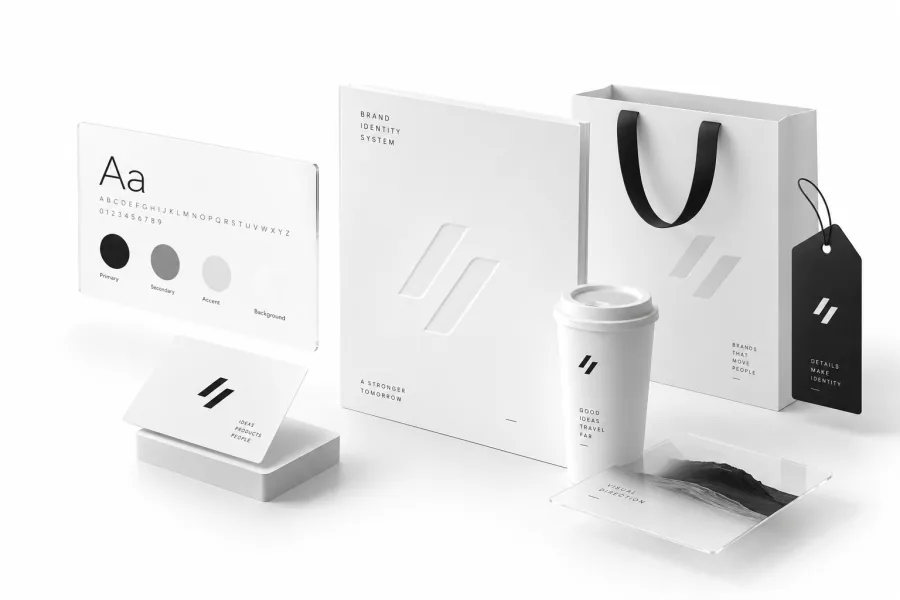
Direction
Clarify the audience, positioning and character of the brand.
What are you working on?
A sentence is enough — we will work out the rest together.
An identity your team can use consistently. We work through positioning and visual direction, then develop the marks, typography, colours and guidance that bring it together.
The core of this engagement. We agree the exact scope in your project plan.
Clarify the audience, positioning and character of the brand.
Develop the logo, typography, colour palette and visual language.
Show how the identity works on the agreed digital and printed formats.
Put the identity into usable assets and guidance for the team.
Every engagement runs through the same moves, and you always know which one we are on.
What you do, who for, and what makes choosing you an easy decision.
The mark, the type, the colour, and the few rules that hold them together.
Files in every format you will actually need, and a guide short enough that people read it.
Work this has already carried. All of it is live, and all of it is still ours to keep running.
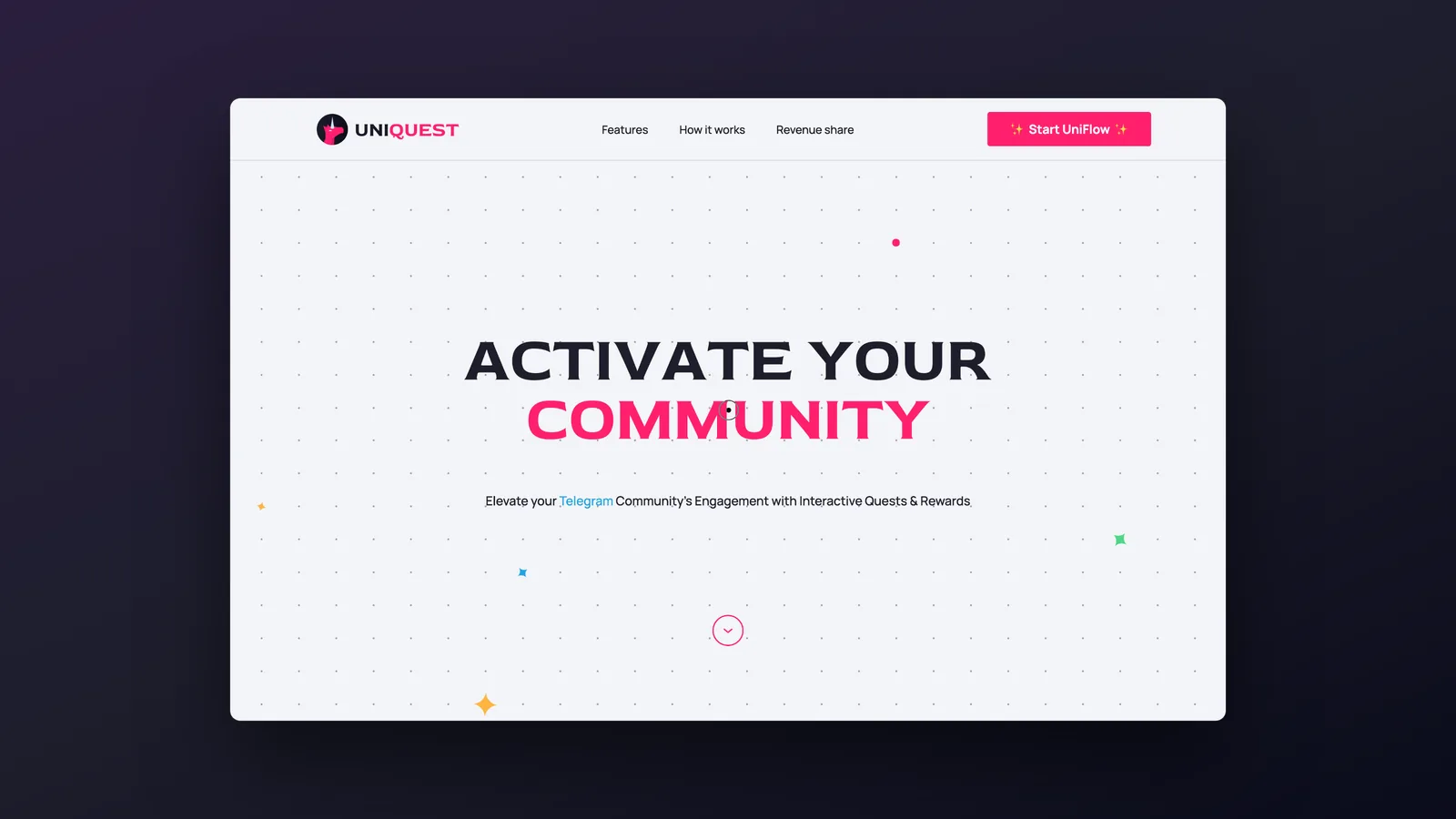
We started with a working bot and a date with the funds. Four weeks later we had a brand, a site, a deck and all the infrastructure. It looked like one product, and it helped us walk into the investor meetings with confidence.
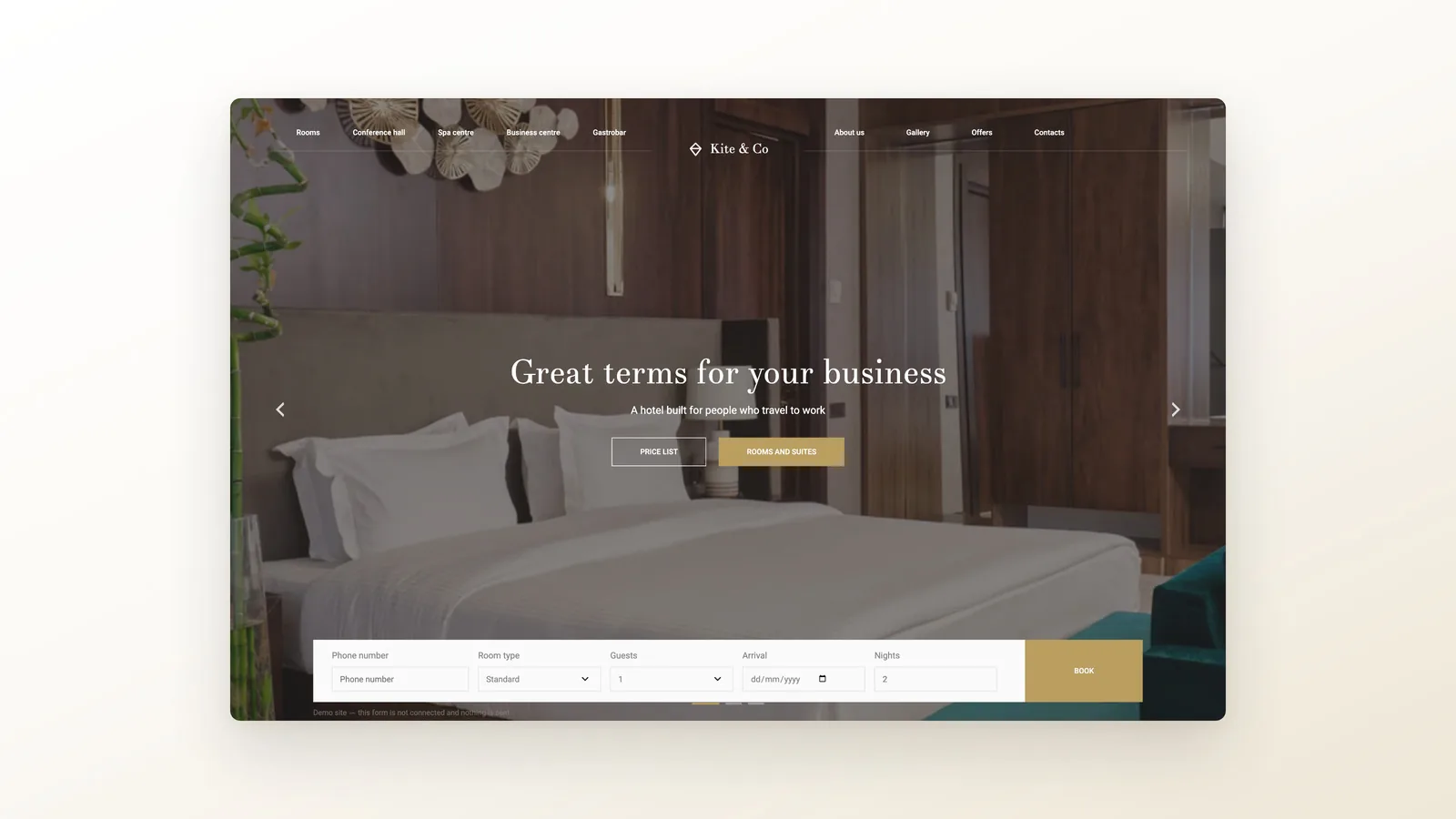
We came for a new website. At the first meeting the team asked not about button colours but what happens after a guest presses Book. Now a guest writes wherever they like, and for us it is one queue — we see the free room before we answer, and we never promise one suite to two people.
Nothing here was chosen because it is fashionable. Each one is on the list for something it does that the alternative does not.
Marks are built as vectors from the first sketch, so what you approve on a screen is the file a sign-maker cuts at four metres.
06 toolsThe strategy half runs in the open. Every workshop and decision is written down where you can see it, so the position arrives with a paper trail.
03 toolsColour is what goes wrong between a screen and a press, so it is checked against hardware rather than trusted.
04 toolsUsing something we have not listed? Say so on the call — half of what we know arrived because a client was already on it.
The person who ran the workshop draws the marks. Nothing is handed to a stranger halfway through.
Guidelines a new hire can follow unaided, not a beautiful PDF nobody opens twice.
Working files, font licences and artwork are yours. No retainer to reach your own logo.
Still deciding? Half an hour on a call is usually enough to know either way.
“Four weeks later we had a brand, a site, a deck and all the infrastructure. It looked like one product, and it helped us walk into the investor meetings with confidence.”
The questions that arrive by email anyway. If yours is not here, ask it on the call.
Yes — vector and raster, light and dark, in the sizes a printer, a sign maker and a website each ask for.
No. It gives the website its look; building it is a separate service, and the two are often quoted together.
Only if you ask. A name has legal and domain consequences, so that decision stays yours.
Hand them to whoever touches your materials. They are written for that person rather than for a design award.
Start with a 30-minute call. The scope, the fee and the dates go into a project plan before any work begins.
Tell us what you are building. If it is a fit you will have an offer — and if not, we’ll tell you upfront.