Questions
Agree who uses the dashboard and what they need to decide.
What are you working on?
A sentence is enough — we will work out the rest together.
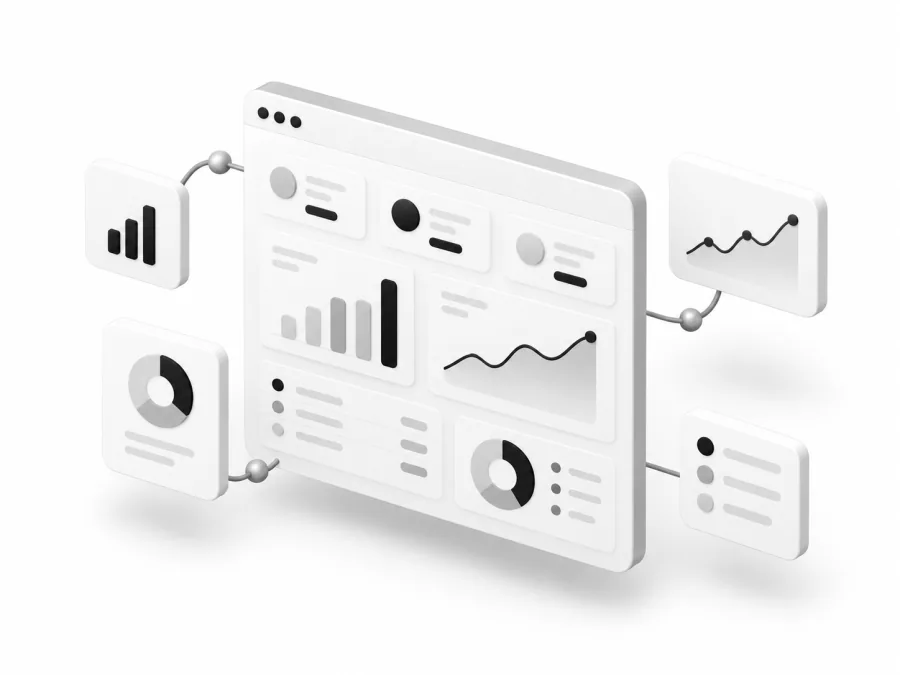
A dashboard should help someone make a decision. We define the questions, design the views and connect the data, as a standalone project or part of a larger business system.
The core of this engagement. We agree the exact scope in your project plan.
Agree who uses the dashboard and what they need to decide.
Identify the data sources and agree what each metric means.
Design the reports and visualizations for each audience.
Build the views with real data and the required access controls.
Every engagement runs through the same moves, and you always know which one we are on.
Who opens it, what they decide with it, and what would change their mind.
What each figure means, and which system is allowed to say so.
The views, the data connections, and who is permitted to see what.
Work this has already carried. All of it is live, and all of it is still ours to keep running.
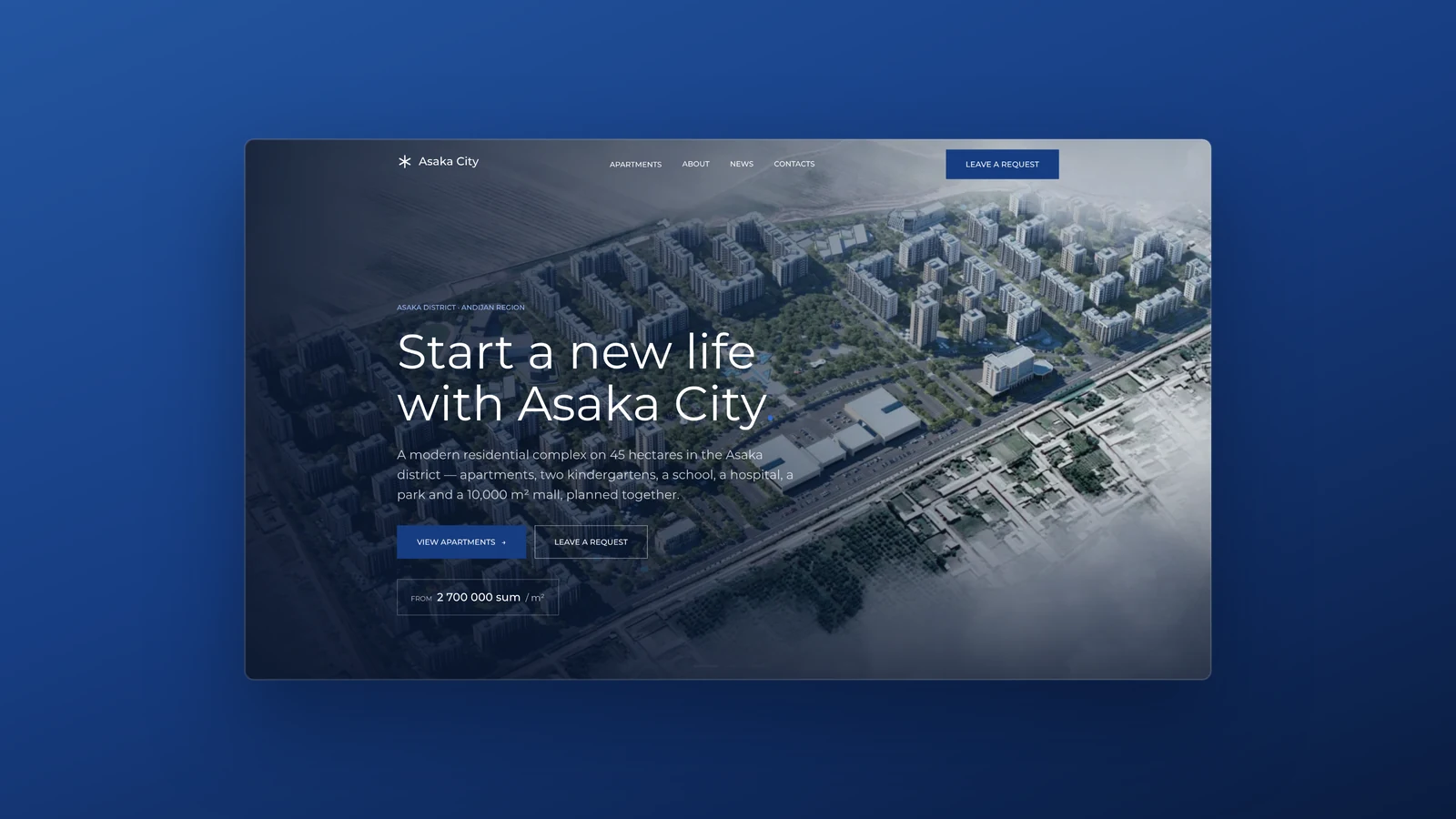
I was ready for the product to come out simpler than we wanted. It came out better than I expected. Real professionals — and the next project, I want to start with this team.
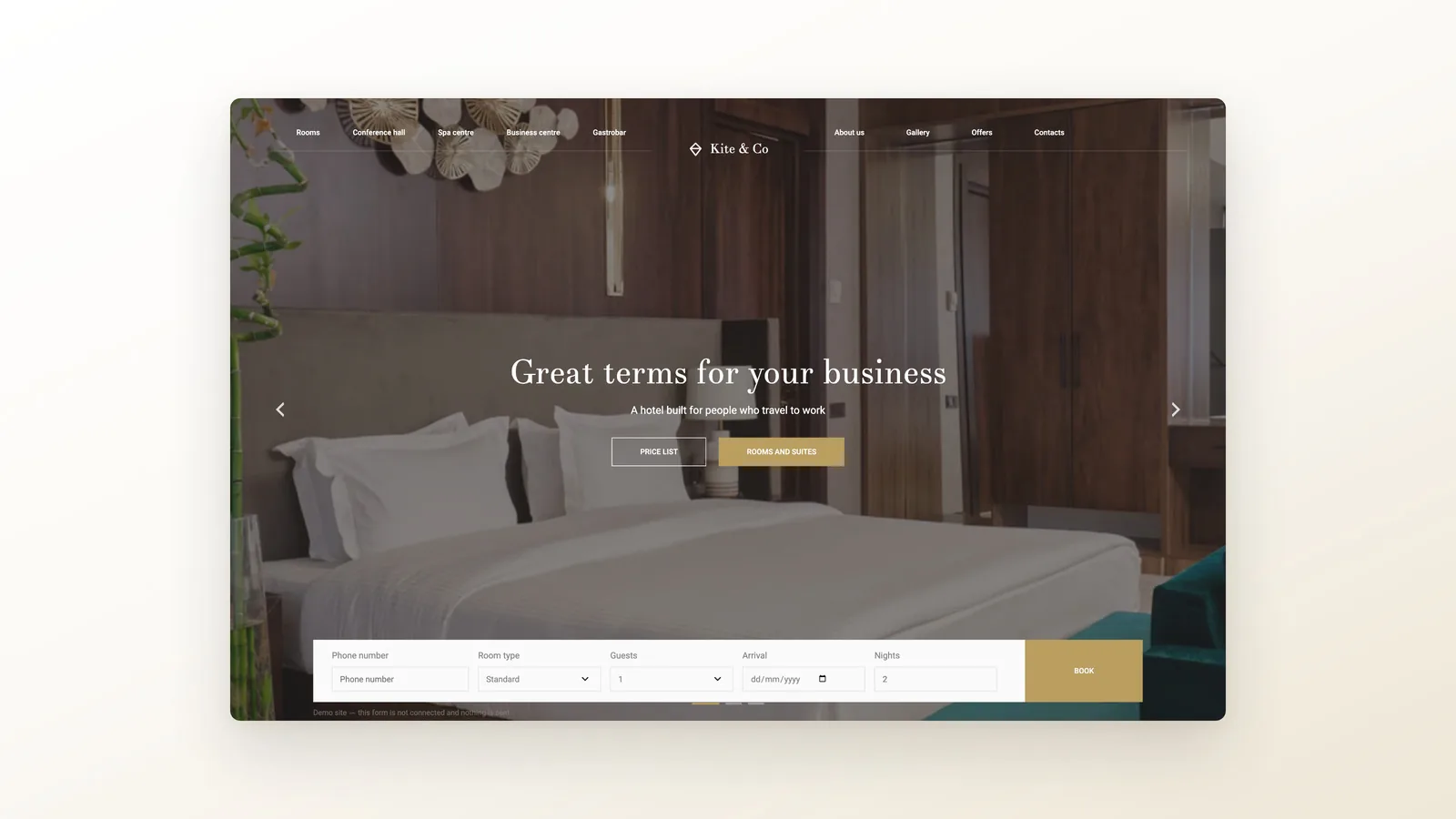
We came for a new website. At the first meeting the team asked not about button colours but what happens after a guest presses Book. Now a guest writes wherever they like, and for us it is one queue — we see the free room before we answer, and we never promise one suite to two people.
Nothing here was chosen because it is fashionable. Each one is on the list for something it does that the alternative does not.
Vue and Nuxt by default, React and Next.js where your own team already lives. Server-rendered either way — a page that needs JavaScript to show its first sentence is a page a search engine reads last.
07 toolsThe content model is designed before the CMS is chosen, so your editors get fields that match how they actually think rather than a page builder to fight.
05 toolsEvery deploy is reversible and every error reaches us before it reaches you. That is the whole of what a retainer buys, and it runs whether or not anything is being built that month.
05 toolsUsing something we have not listed? Say so on the call — half of what we know arrived because a client was already on it.
There is no handover document, because there is no handover. That is where most of the cost usually hides.
The numbers are agreed before the build and checked on every deploy, not measured once on launch day.
Hosting, certificates and dependency patches are ours. You are never chasing a developer who has left.
Still deciding? Half an hour on a call is usually enough to know either way.
“A new shift used to piece the picture together from the log, a spreadsheet, Telegram, Instagram and notes on a phone. Now arrivals, departures and new requests are on one screen.”
The questions that arrive by email anyway. If yours is not here, ask it on the call.
No. It includes the data connections and the build. UI/UX design is separate if you already have developers.
Anything with an API, a database or a scheduled export. We check yours on the first call.
As fresh as the source allows — and the dashboard says when it was last true rather than pretending.
Often, yes. If something you have answers the questions, we say so instead of building.
Start with a 30-minute call. The scope, the fee and the dates go into a project plan before any work begins.
Tell us what you are building. If it is a fit you will have an offer — and if not, we’ll tell you upfront.